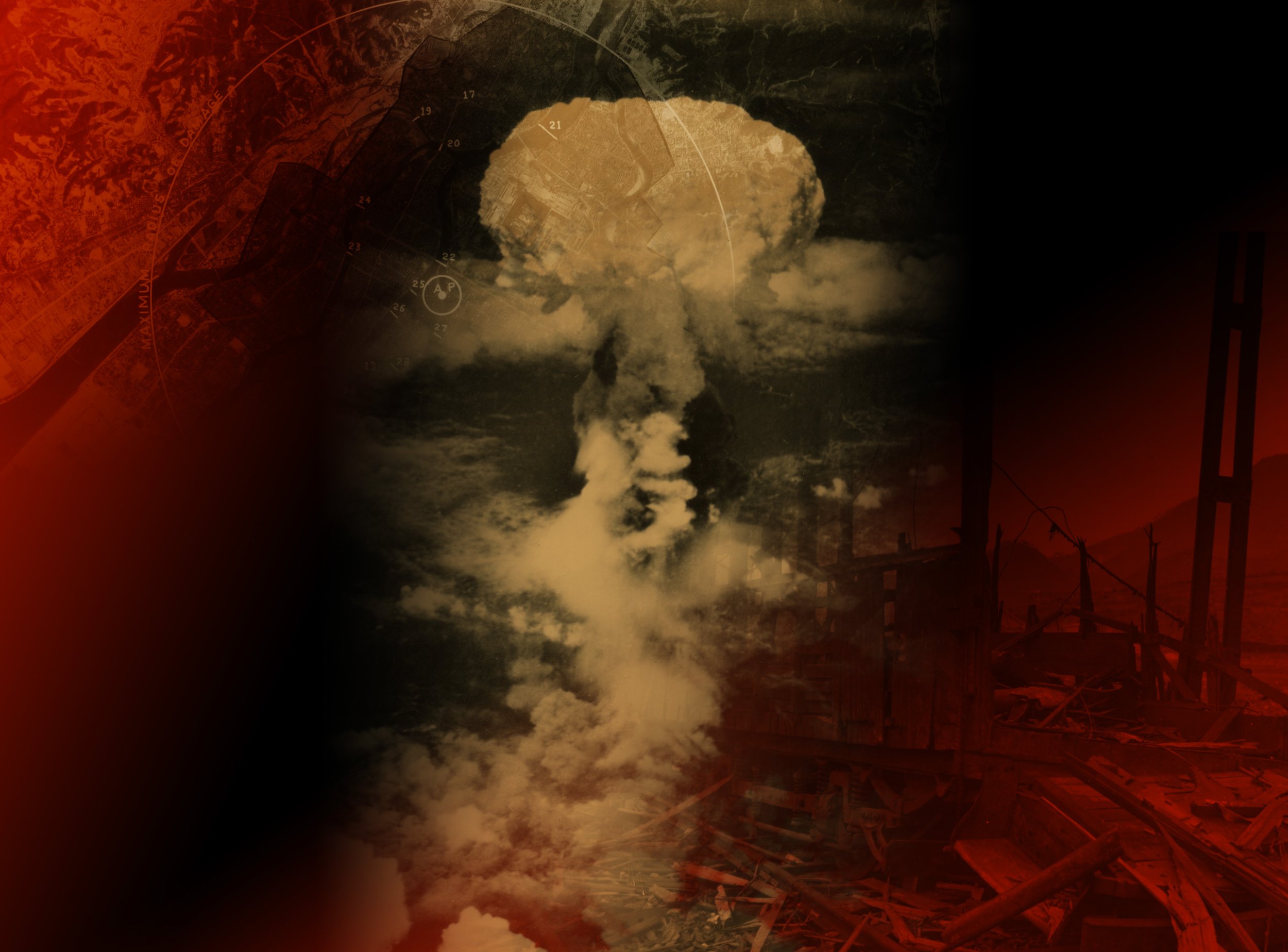
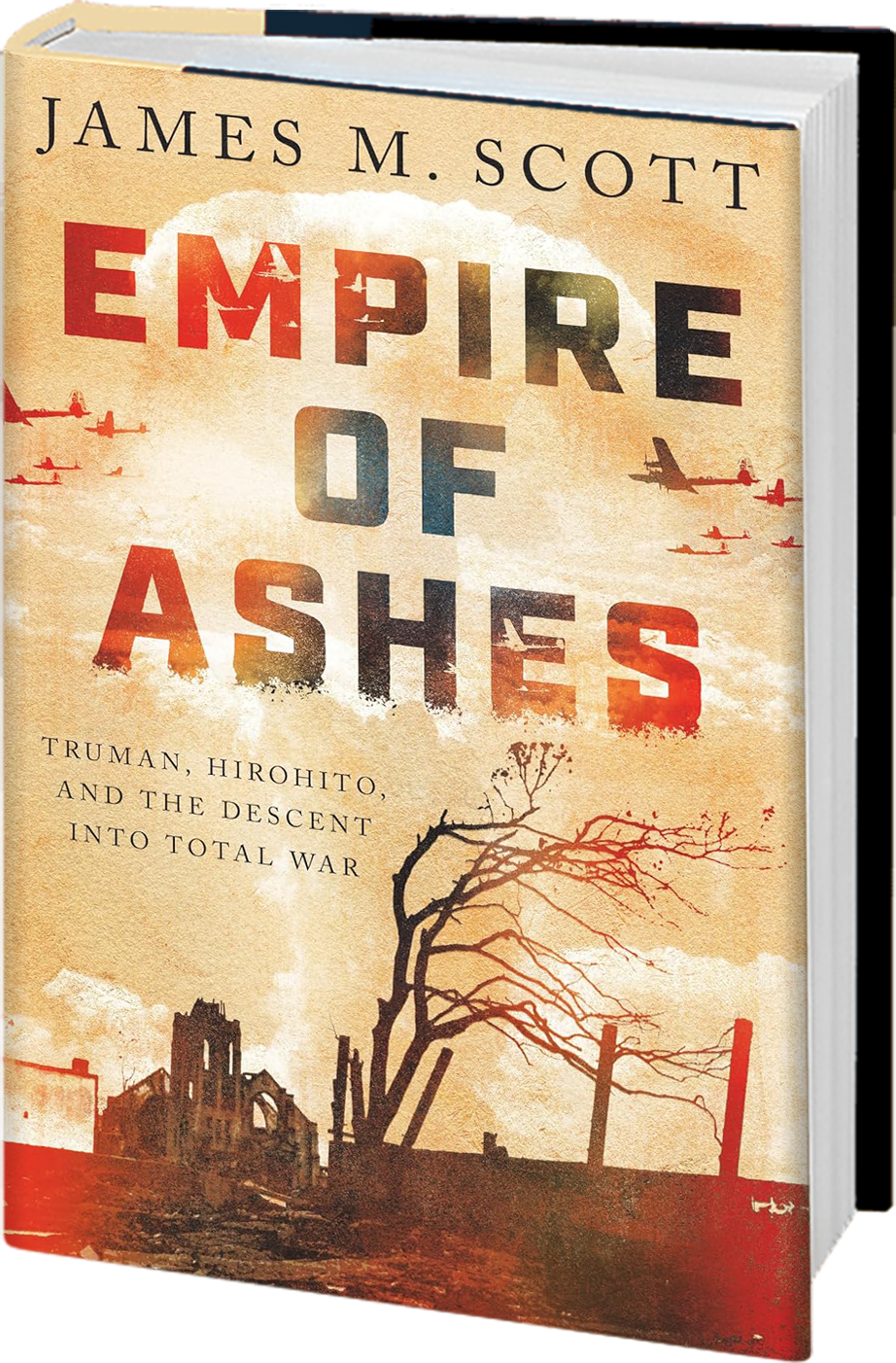
“Meticulously researched, masterfully written and completely absorbing, Empire of Ashes chronicles the final months of World War II and the decisions that led to the bombing of Hiroshima and Nagasaki.” ― Jack Carr, #1 New York Times bestselling author of The Terminal List series
From the acclaimed Pacific War historian, the harrowing story of America’s bombings of Hiroshima and Nagasaki in the dramatic struggle to end World War II.

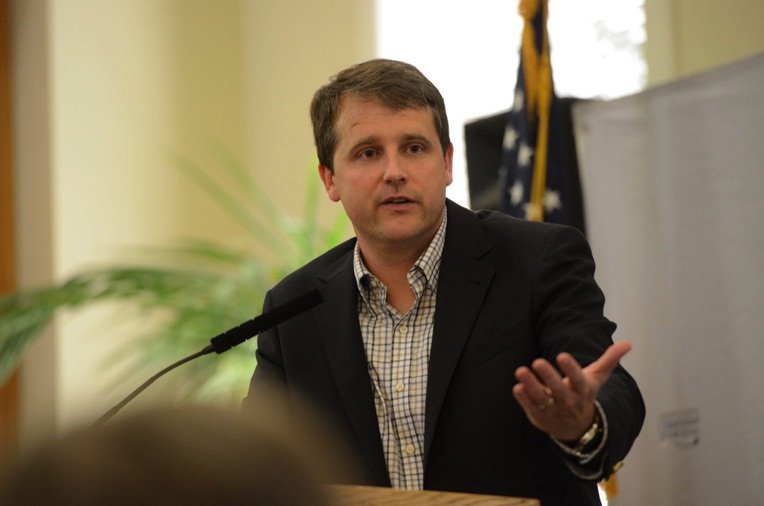
Photo by Stephanie Selby
A Pulitzer Prize finalist and New York Times bestseller, James M. Scott is the author Black Snow, Rampage, Target Tokyo, The War Below, and The Attack on the Liberty, and co-author, with Jack Carr, of Targeted: Beirut. In addition, Scott, a former Nieman Fellow at Harvard, is a sought-after public speaker, who leads battlefield tours and lectures at institutions around the world. He lives with his wife and two children in Charleston, South Carolina, where he is the Scholar in Residence at The Citadel.
SPEAKING

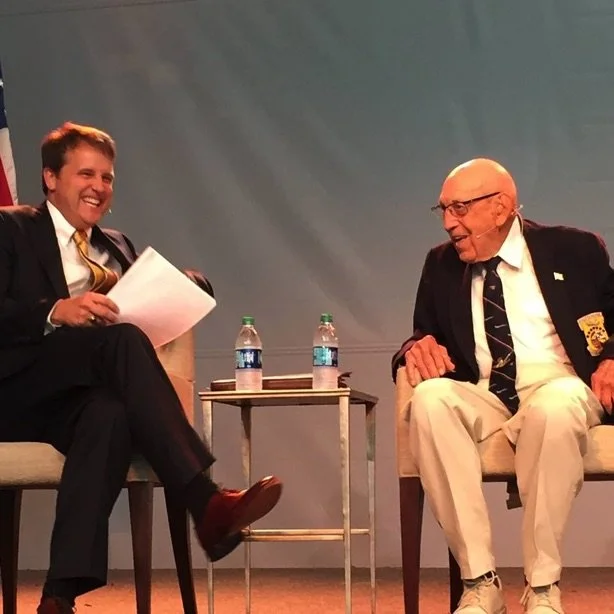

James M. Scott is an acclaimed World War II speaker who has lectured at leading institutions—from presidential libraries to the National WWII Museum—and universities around the world. He leads immersive battlefield tours across the Pacific and is featured in major media, including The New York Times and the Smithsonian Channel.
If you are interested in hosting James Scott for an event, please feel free to connect via e-mail or social media.
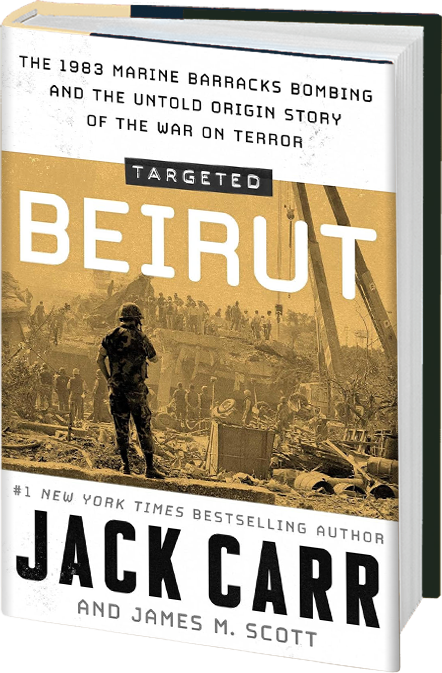
Instant New YoRk Times BEstseller
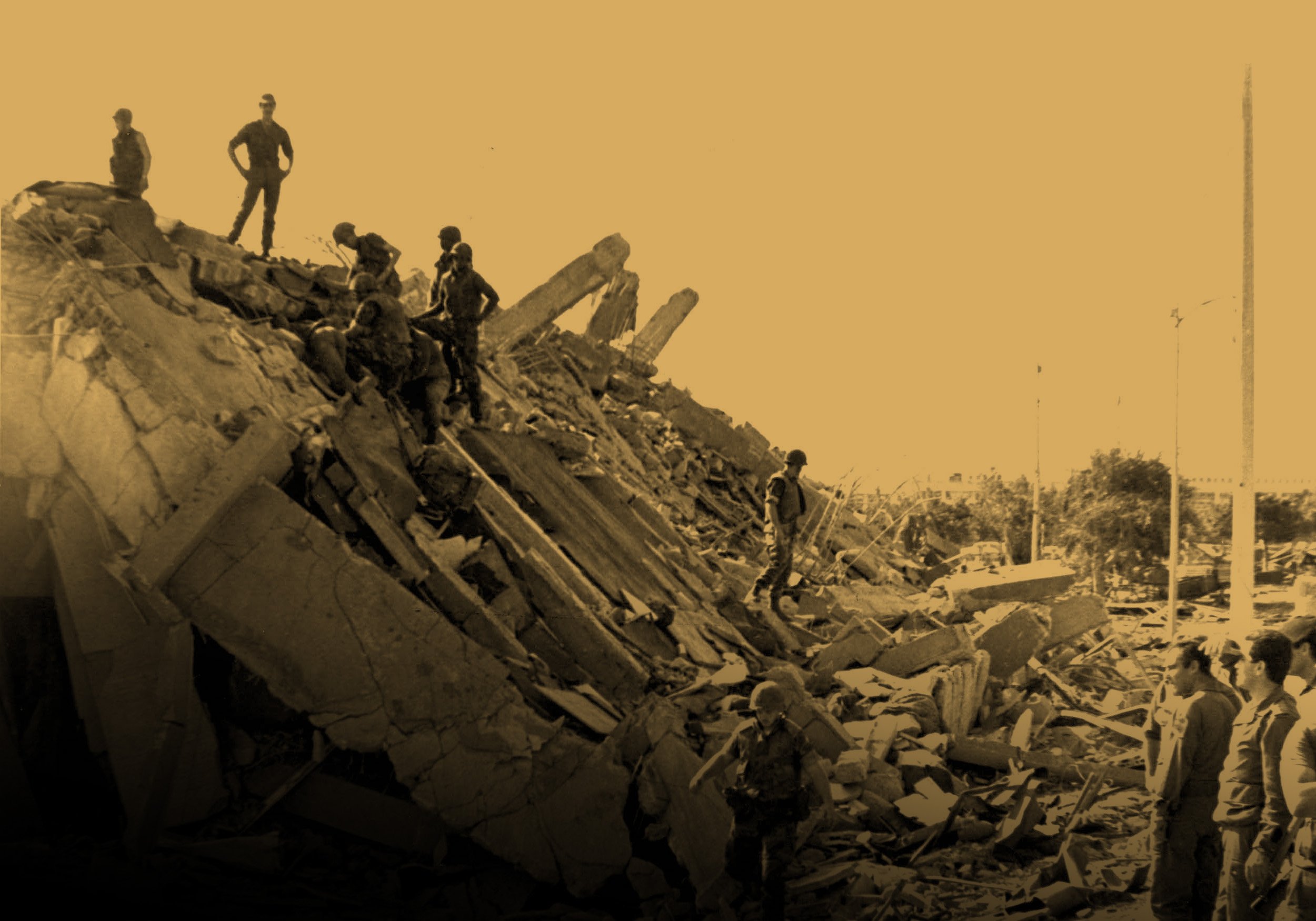
The first in a new in-depth nonfiction series examining the devastating terrorist attacks that changed the course of history from #1 New York Times bestselling author Jack Carr and Pulitzer Prize finalist James M. Scott, beginning with the 1983 Marine barracks bombing in Beirut.